

Lymphatic Health Support: A Complete Guide to Healthy Lymphatic Function
LYMPHATIC HEALTH · EDUCATIONAL GUIDE
Lymphatic Health Support: A Complete Guide to Healthy Lymphatic Function
Discover practical approaches to support healthy lymphatic function — from breathing and movement to hydration, nutrition, and herbal support.
BTERLIF · 10 min read
The lymphatic system is a network of vessels, lymph nodes, and immune organs spread throughout your body. It moves a clear fluid called lymph — packed with immune cells, nutrients, and metabolic byproducts — through this network, filtering as it goes.
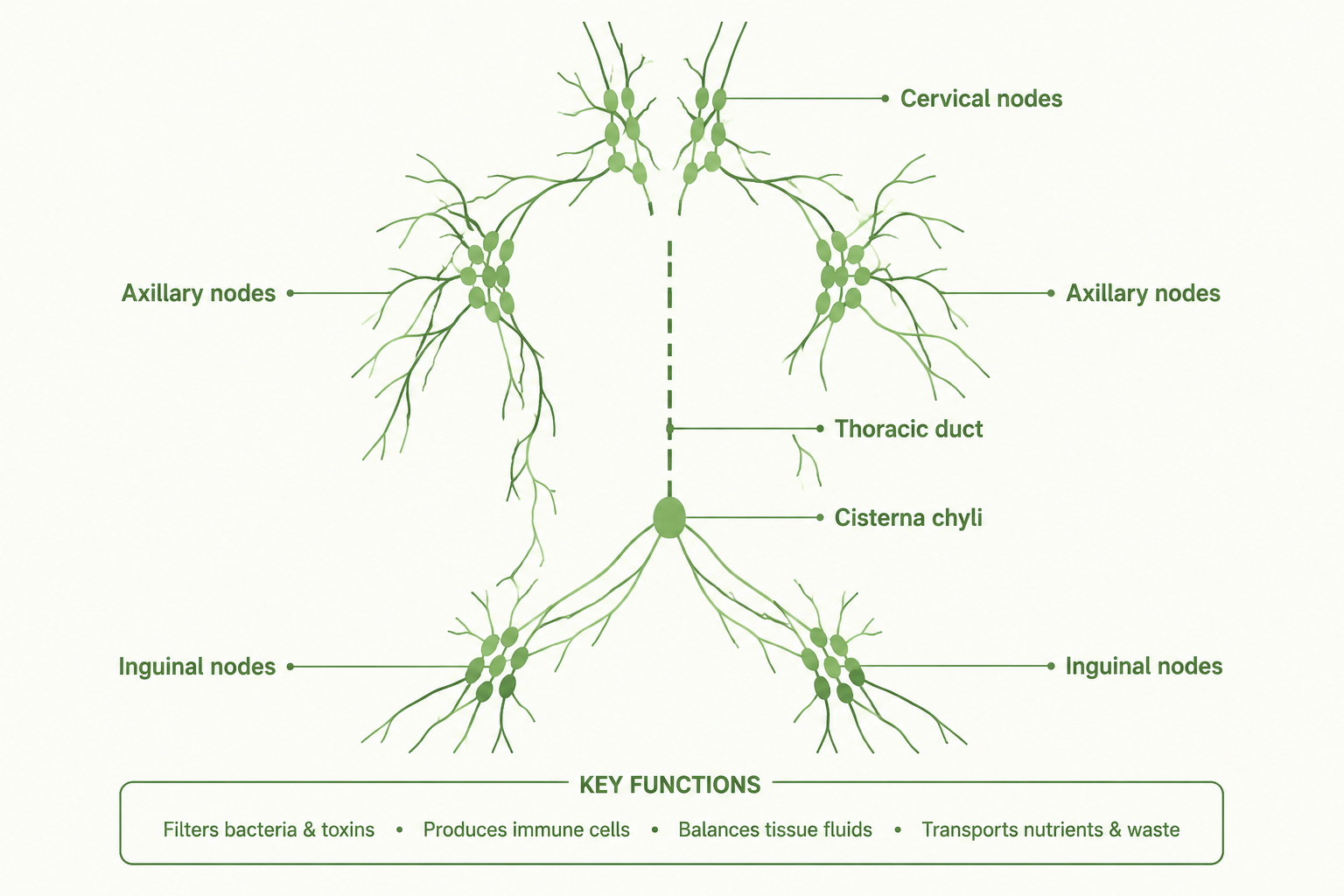
When lymph flow may become less efficient, you may notice:
- Persistent facial or limb puffiness
- Unexplained tiredness
- Occasional minor immune challenges
- Ongoing mild inflammation
“Supporting healthy lymphatic function is not a one-time intervention — it is built through consistent daily habits: how you breathe, move, hydrate, and nourish your body.”
Supporting healthy lymphatic function involves gentle, consistent approaches that may help maintain the body’s natural circulation rhythm. The strategies below are based on established wellness practices and research.
Five Core Approaches to Support Lymphatic Health
Below is an overview of five widely recognized approaches to support healthy lymphatic function:
| Approach | Key Practice | Frequency | Primary Benefit |
|---|---|---|---|
| 1. Breathing | Diaphragmatic, Box, Alternate Nostril | 10 min, 2x daily | May support natural fluid movement |
| 2. Exercise | Rebounding, Yoga, Walking, Swimming | 30 min, 5x weekly | Muscle activity supports circulation |
| 3. Hydration | Pure water, Herbal teas, Lemon water | 8-10 glasses daily | Supports healthy lymph fluid consistency |
| 4. Therapies | Hydrotherapy, Compression, Infrared Sauna | 2-3x weekly | May support external lymph vessel activity |
| 5. Nutrition | Leafy greens, Citrus, Berries, Omega-3 | Daily in diet | Supports healthy inflammatory response |
A Closer Look at Each Approach
Each approach below has a basis in clinical or nutritional research and may help support healthy lymph function when used consistently.

1. Breathing Techniques
Diaphragmatic deep breathing is one of the simplest ways to encourage lymph movement. As your belly rises and falls, it may gently influence nearby lymph vessels:
- Diaphragmatic Breathing: Sit or lie comfortably. Inhale slowly through your nose, letting your belly expand. Exhale gently through your mouth. 10 minutes each morning.
- Arm-Lift Breathing: Inhale as you raise both arms overhead; exhale as you lower them slowly.
- Alternate Nostril Breathing: May help support nervous system balance.
- Box Breathing: Inhale 4 counts, hold 4, exhale 4, pause 4. May help reduce tension.

2. Exercise
Muscle movement is a primary way the lymph system circulates. Moderate, regular exercise may help keep it functioning well:
- Rebounding: Gentle bouncing on a mini-trampoline may help encourage superficial lymph flow.
- Yoga: Twists and gentle inversions may target lymph pathways in the neck, armpits, and groin.
- Moderate Aerobics: Brisk walking, cycling, and swimming may support blood flow and lymph movement.
- Strength Training: Steady muscle contraction may support deep lymph circulation.

3. Hydration
Lymph is mostly water. Proper hydration helps maintain healthy lymph fluid consistency:
- Pure Water: Staying well-hydrated supports overall wellness and healthy metabolic function.
- Herbal Teas: Dandelion and similar teas are traditionally used to support gentle fluid balance.
- Warm Lemon Water: A morning glass adds plant flavonoids and may support mild hydration.

4. Complementary Therapies
- Hydrotherapy: Alternating warm and cold water stimulation may help vessels expand and contract.
- Gentle Compression: Light, consistent pressure may help support fluid movement from limbs.
- Infrared Sauna: May promote healthy sweating as part of the body’s natural temperature regulation.
5. Nutrition
What you eat may influence how your lymphatic system functions. Certain foods are studied for their supportive properties:
- Dark Leafy Greens: Spinach, kale — studied for their antioxidant properties.
- Citrus Fruits: Vitamin C supports normal immune cell function.
- Fresh Berries: Antioxidants may help maintain healthy blood vessels.
- Garlic and Onions: Sulfur compounds are studied for their role in supporting normal metabolic processes.
- Omega-3 Foods: Fatty fish, flaxseed — studied for their role in supporting a healthy inflammatory response.
Herbal Ingredients Traditionally Used to Support Lymphatic Function
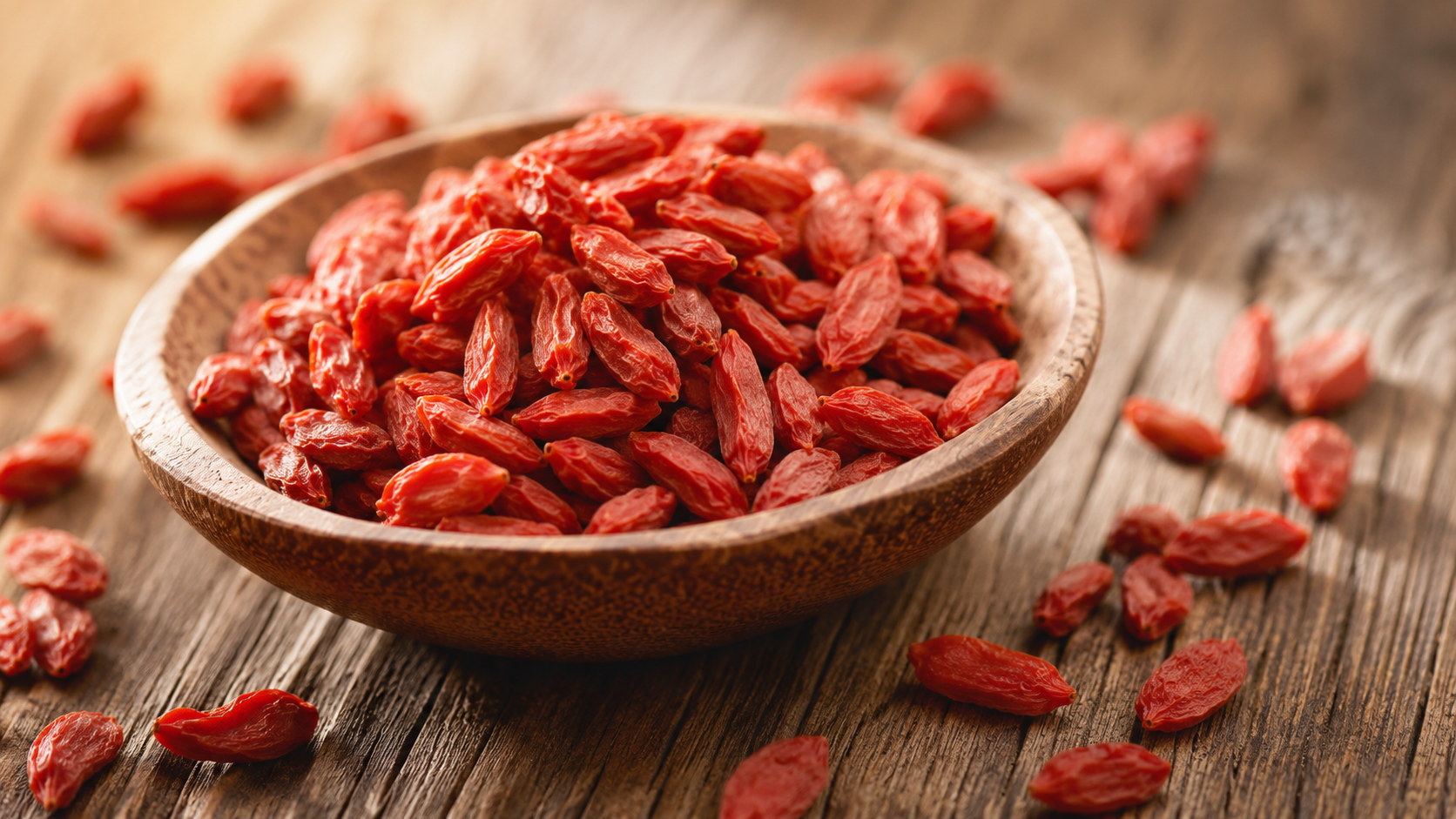
Many effective lymph-support formulas combine several herbs rather than relying on a single ingredient. Below are nine herbs traditionally used for this purpose:
| Herb | Traditional Use | Research Context |
|---|---|---|
| Echinacea Extract | Traditionally used to support immune function | Studied for immune-modulating properties |
| Dandelion Extract | Traditionally used to support fluid balance | Traditional use for gentle diuretic support |
| Burdock Root Powder | Traditionally used to support digestive health | High inulin content studied for microbiome support |
| Plantain Extract | Traditionally used for inflammatory concerns | Traditional anti-inflammatory applications |
| Yarrow Extract | Traditionally used to support circulation | Studied for vasoprotective properties |
| Nettle Leaf Extract | Traditionally used to support fluid balance | Mineral-rich profile supports natural wellness |
| Red Clover Extract | Traditionally used to support lymphatic health | Isoflavones studied for antioxidant effects |
| Lemon Peel Powder | Traditionally used for antioxidant support | Citrus flavonoids studied for vessel health |
| Japanese Kelp Extract | Traditionally used for nutritional support | Contains alginic acid studied for binding properties |
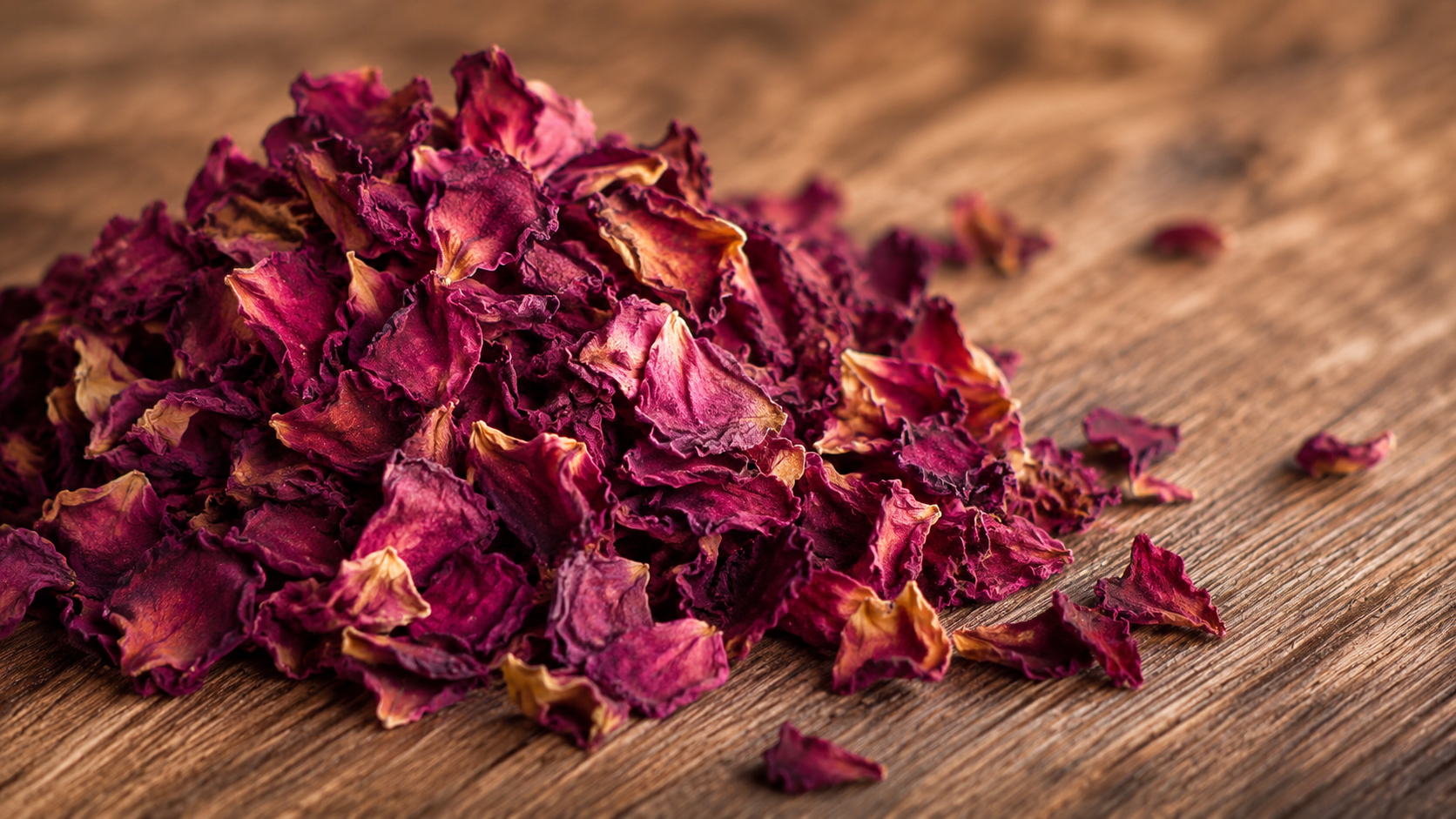
Together, these ingredients address different aspects of lymphatic wellness: anti-inflammatory support, fluid balance, and circulation. That is why they are commonly included in well-formulated lymph-support products.
“Lymphatic health touches everything: your daily energy, how your body handles stress, and its natural ability to maintain balance. A routine built around breathing, movement, hydration, and nutrition is the most reliable path.”
Conclusion

Lymphatic health touches many aspects of well-being: daily energy, immune function, and how the body manages fluid balance. A routine built around focused breathing, regular movement, proper hydration, clean eating, and traditional herbal support may help maintain healthy lymphatic function — not as a one-time effort, but as part of a sustainable daily practice.
Medical Disclaimer
The information provided in this article is for educational and informational purposes only. It is not intended as medical advice, diagnosis, or treatment. Always consult a qualified healthcare professional regarding any medical condition or before starting any new health regimen.
Frequently Asked Questions
What are the potential benefits of supporting healthy lymphatic function?
Supporting healthy lymphatic function may help maintain normal immune defense, fluid balance, and energy levels. Individual experiences may vary, and these approaches are not intended to diagnose or treat any medical condition.
Which everyday foods are traditionally used to support lymph health?
Dark leafy greens, citrus fruits, berries, garlic, onions, flaxseed, and fatty fish are often included in an eating pattern that supports overall wellness. Dandelion and red clover tea are also traditionally used.
What is a simple way to begin supporting lymphatic circulation?
Daily diaphragmatic breathing combined with regular moderate exercise and adequate water intake are three foundational approaches. Some individuals also find blended herbal supplements helpful.
References
- Randolph, G. J., et al. (2017). The lymphatic system: integral roles in immunity. Annual Review of Immunology.
- Nagashio, S., et al. (2019). Water intake increases mesenteric lymph flow in rats. American Journal of Physiology.
- Cleveland Clinic. (n.d.). Hydrotherapy.
- Barufi, S., et al. (2021). Exercising and compression mechanism in lymphedema. Cureus.
- Mayo Clinic. (2023). Omega-3 in fish: How eating fish helps your heart.
- Mayo Clinic. (2022). Lymphedema — Symptoms and Causes.
- Merck Manual Professional Edition. Lymphedema — Cardiovascular Disorders.
- National Cancer Institute. (2024). Lymphedema (PDQ®) — Health Professional Version.
Breathing
Start with 10 min daily
Movement
Walk or rebound daily
Hydration
2-3L water per day
One thing to remember
The lymphatic system relies on movement and pressure changes to support healthy fluid circulation. Consistent daily habits matter more than any single intervention.

About author