

How to Support Your Lymphatic System Naturally: 8 Approaches
LYMPHATIC HEALTH · EDUCATIONAL GUIDE
How to Support Your Lymphatic System Naturally: 8 Approaches
Discover eight practical approaches to support healthy lymphatic function — from breathing and movement to hydration, nutrition, and herbal support.
BTERLIF · 10 min read
Your lymphatic system doesn’t have a pump. Your heart pushes blood through arteries and veins, but lymph relies on you — your breath, your movement, the way you sit and stand and stretch — to keep moving. When you sit too long or breathe too shallow, lymph may slow, and you may feel heavy, puffy, or tired.
The good news: you can encourage healthy lymphatic function without expensive treatments or complicated protocols. The approaches below are simple, accessible, and supported by research.
“The lymphatic system has no pump of its own — your breath and movement are the closest it has to one. Consistent daily habits matter more than any single intervention.”
What May Affect Lymphatic Function?
Several everyday factors may influence how well your lymphatic system functions:
- Shallow breathing: Deep breathing creates pressure changes that may help move lymph upward.
- Extended sitting: Lymph in the legs relies on muscle contractions. Long periods of sitting may reduce circulation.
- Dehydration: Lymph is about 95% water. Adequate hydration helps maintain healthy fluid consistency.
- Tight clothing: Compression around armpits, groin, or waist may affect lymph node pathways.
- High-sodium diet: Excess sodium may pull water into tissues.
- Chronic inflammation: Ongoing inflammation may affect lymph node function.
Signs you may want to support your lymphatic system: Waking with a puffy face, rings feeling tight by end of day, fatigue that sleep doesn’t fix, catching minor illnesses frequently, feeling bloated.
Eight Approaches to Support Lymphatic Health
Each approach below is based on research and may help support healthy lymphatic function.

1. Diaphragmatic Breathing
Your diaphragm sits below your lungs. When you breathe deeply into your belly, it drops down, creating negative pressure that may help pull lymph fluid upward. This is a primary driver of lymph movement.
How to practice: Lie on your back with one hand on your belly. Inhale slowly through your nose for 4 counts (belly rises). Exhale through your mouth for 6 counts. Repeat 5-10 minutes, ideally in the morning.
Use caution if: You have a full stomach or get lightheaded. Start with 3 minutes.

2. Rebounding
Gentle bouncing on a mini-trampoline creates alternating gravitational forces that may help support lymph valve activity. This may encourage upward lymph movement without stressing the joints.
How to practice: Stand on a mini-trampoline, feet hip-width. Start with a “health bounce” — feet never leave the mat. After 2 minutes, lift feet slightly off. Bounce 10-20 minutes at a conversational pace.
Use caution if: Balance issues, vertigo, or recent joint surgery.

3. Hydration
Lymph is approximately 95% water. Proper hydration helps maintain healthy lymph fluid consistency, allowing it to flow through narrow vessels more easily.
- Morning: 16 oz warm water with lemon
- Mid-morning: 8 oz plain water
- Afternoon: 8 oz dandelion or red clover tea
- Before exercise: 8 oz water
- Evening: 8 oz warm water
Use caution if: Kidney issues requiring fluid restriction.
4. Dry Brushing
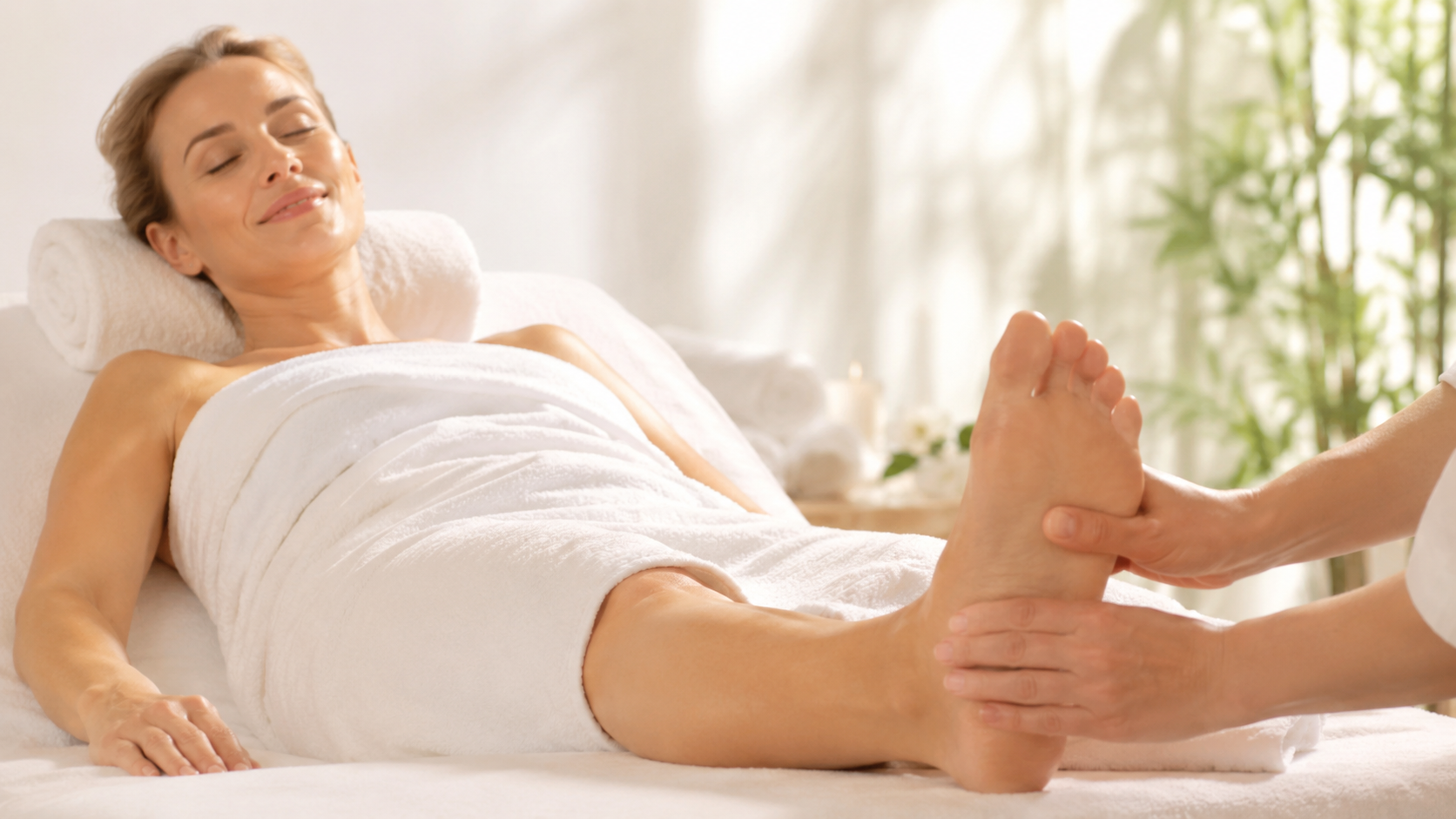
Using a soft-bristled brush on dry skin with gentle strokes toward the heart may help encourage surface-level lymph movement.
- Feet to groin: Long upward strokes on legs.
- Arms to armpits: Stroke toward armpits.
- Abdomen: Gentle clockwise circles.
- Armpits: Gentle circles over lymph node areas.
- Neck: Brush gently downward toward collarbone.
Use caution if: Eczema, psoriasis, open wounds, or very sensitive skin.

5. Anti-Inflammatory Eating Pattern
Every meal either adds to your body’s workload or lightens it. Inflammatory foods — refined sugar, processed oils, excess sodium — may trigger immune responses. Anti-inflammatory foods may help calm the response.
- Eat: Dark leafy greens, citrus, berries, garlic, onions, omega-3 fish, turmeric, ginger, fermented foods.
- Limit: Processed foods, high-sodium meals, refined sugar, excessive alcohol.
Use caution if: On a medically restricted diet. Adapt within your doctor’s guidelines.
6. Herbal Support
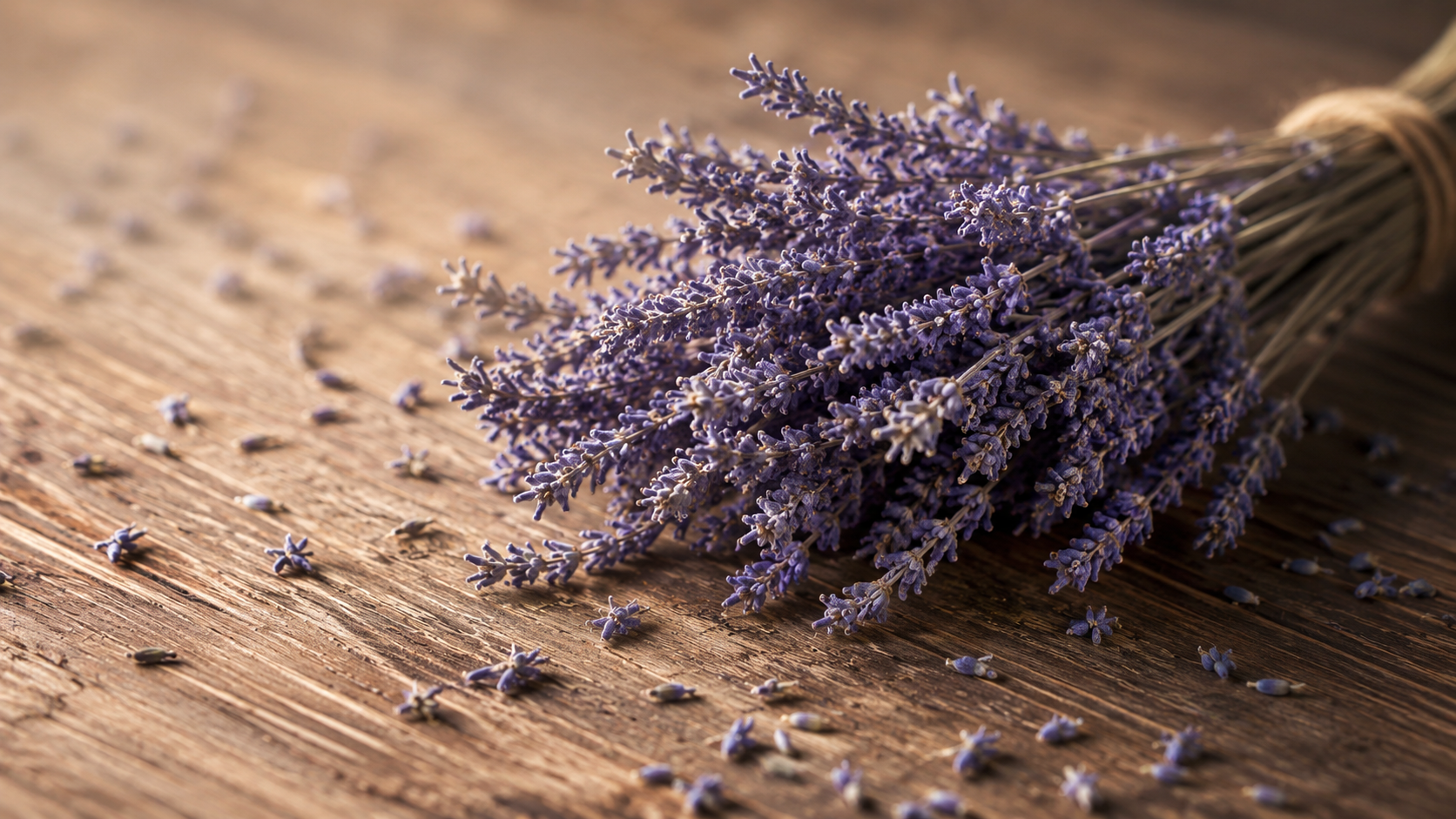
Certain herbs are traditionally used to support lymph function through gentle mechanisms:
- Dandelion Root: Traditionally used for fluid balance. 500-1000mg/day.
- Cleavers: Traditional herbal support for lymphatic function. 3-5ml tincture 3x/day.
- Red Clover: Studied for anti-inflammatory isoflavones. 500-1000mg/day.
- Burdock Root: Traditionally used to support digestive health. 1-2g/day.
- Echinacea: Traditionally used to support immune function. Cycle 3 weeks on, 1 off.
Use caution if: Pregnant, breastfeeding, on blood thinners, or autoimmune conditions.
7. Contrast Showers
Alternating warm and cool water may influence circulation: 30 seconds cool → 1-2 minutes warm, repeat 3-4 times, ending on cool. Warm may encourage vessels to expand, while cool may encourage contraction.
Use caution if: Raynaud’s disease, cardiovascular conditions.
8. Self Lymphatic Massage
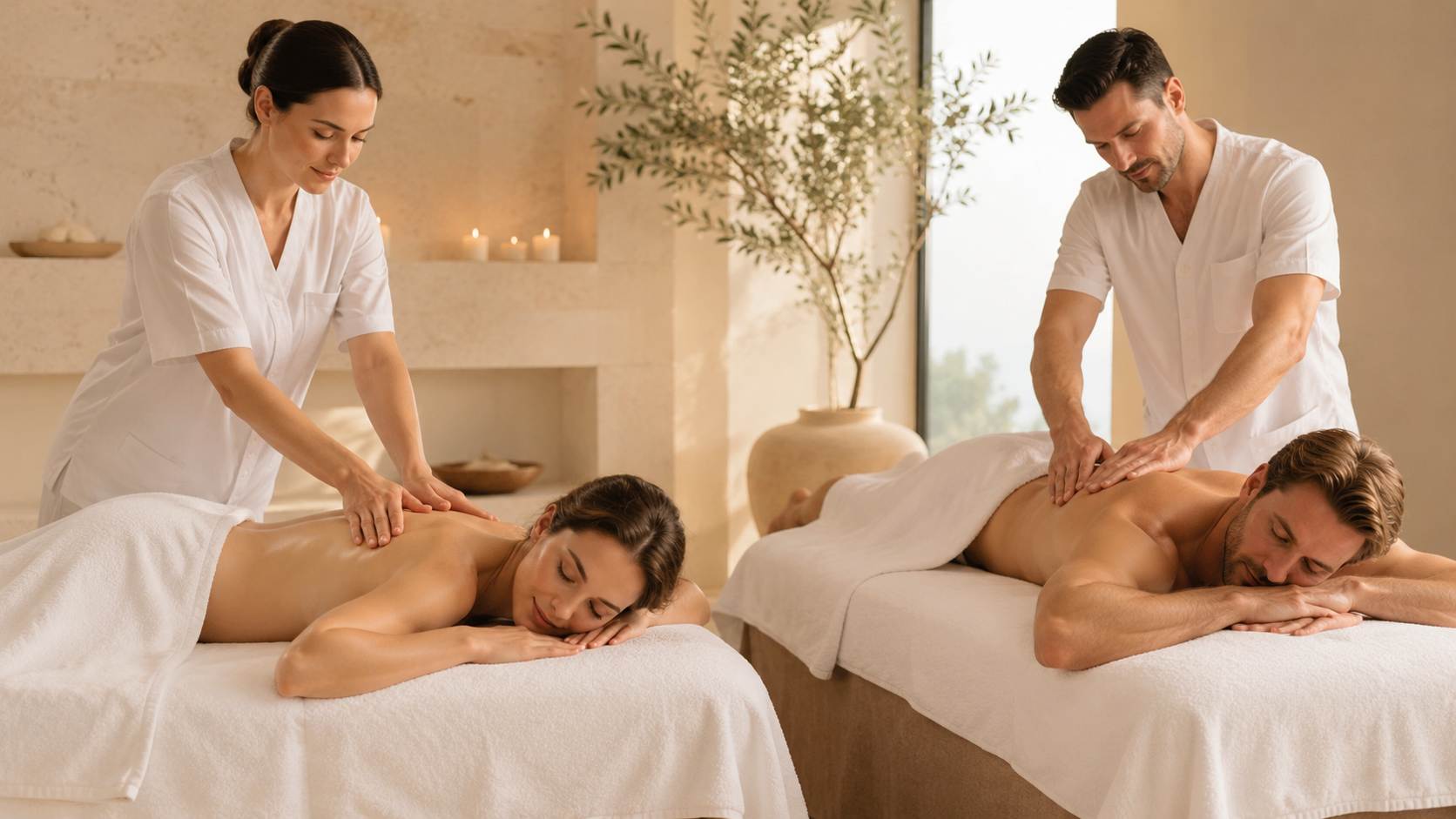
Using light pressure — just enough to gently move the skin — massage toward your heart: neck and collarbone first, then armpits, abdomen clockwise, and upward from ankles. Tools like gua sha stones may help support facial lymphatic drainage. This is one of the most studied lymphatic approaches, with decades of clinical research behind it.
Use caution if: Active infections, blood clots, or congestive heart failure.

Bonus: Sleep — Your Body’s Nighttime Recovery
During deep sleep, the glymphatic system (the central nervous system’s clearance network) becomes more active, helping clear metabolic byproducts accumulated during the day. Research suggests this system is up to 60% more active during deep sleep. Aim for 7-8 hours of quality sleep.
Approaches Comparison
| Approach | Evidence | Time Required | Best For |
|---|---|---|---|
| 1. Breathing | Medium | 5-10 min/day | Starting point |
| 2. Rebounding | Medium | 20 min, 3-5x/wk | Full-body activation |
| 3. Hydration | Medium-High | All day | Foundation |
| 4. Dry Brushing | Low-Medium | 5 min/day | Superficial circulation |
| 5. Diet | High | Ongoing | Long-term foundation |
| 6. Herbal Support | Medium | Daily | Targeted support |
| 7. Contrast Showers | Low-Medium | 10 min, 2-3x/wk | Circulation support |
| 8. Self Massage | High | 10-15 min/day | Direct stimulation |
“Start with breathing and hydration. Add one movement method. Build from there. Consistency matters more than doing everything at once.”
Where to Start
- Need quick relief: Start with breathing (approach 1) — 5 minutes, any time.
- Main concern is puffiness: Hydration (approach 3) + gentle herbal support (approach 6).
- Fatigue + low immunity: Anti-inflammatory eating pattern (approach 5) + immune-supporting herbs.
- Daily routine covering everything: Approaches 1 + 2 (3x/week) + 3 + 6. ~15 min active time.
- Desk job, sit 8+ hours: Self-massage breaks (approach 8) + breathing (at desk) + rebounding (after work).
Medical Disclaimer
The information provided in this article is for educational and informational purposes only. It is not intended as medical advice, diagnosis, or treatment. Always consult a qualified healthcare professional regarding any medical condition or before starting any new health regimen.
Frequently Asked Questions
How long does it typically take to notice changes?
Individual experiences may vary. Some people notice changes in fluid balance within days of starting breathing and hydration practices. Dietary and herbal approaches may take several weeks. Consistency appears to matter more than intensity.
Can I practice all eight approaches at the same time?
You can, but it is not necessary. Many people find it helpful to start with breathing and hydration, then add one movement-based approach. Add herbal support once the basic practices become routine.
Are these approaches safe during pregnancy?
Breathing and walking are generally considered safe. Avoid dry brushing over the abdomen, herbal supplements, and contrast showers unless approved by your healthcare provider. Always consult your OB/GYN before starting any new wellness practice.
Can supporting lymphatic function help with feeling less bloated?
Supporting healthy lymphatic function may help reduce occasional fluid retention and bloating for some individuals. It is not a weight loss method but may complement a balanced diet and regular exercise.
References
- Randolph, G. J., et al. (2017). The lymphatic system: integral roles in immunity. Annual Review of Immunology.
- Nagashio, S., et al. (2019). Water intake increases mesenteric lymph flow. American Journal of Physiology.
- Cleveland Clinic. (n.d.). Hydrotherapy.
- Barufi, S., et al. (2021). Exercise and compression in lymphedema. Cureus.
- Mayo Clinic. (2023). Omega-3 benefits.
- National Lymphedema Network. Position papers on lymphedema management.
- Mayo Clinic. (2022). Lymphedema — Symptoms and Causes.
- Merck Manual Professional Edition. Lymphedema — Cardiovascular Disorders.
Breathing
Start with 5 min daily
Movement
Add one approach today
Hydration
2-3L water per day
One thing to remember
Your breath is one of the most accessible ways to support lymphatic function. Five minutes of deep breathing each morning is where everything starts.


About author