Supplements for Supporting Healthy Lymphatic Function
LYMPHATIC HEALTH · EDUCATIONAL GUIDE
Supplements for Supporting Healthy Lymphatic Function
Learn what to look for in a lymphatic support supplement — 5 criteria, ingredient checklist, red flags, and how to build a simple daily routine.
BTERLIF · 8 min read
Many formulations of lymphatic supplements include herbs from three categories: a lymphagogue (cleavers), a diuretic (dandelion), and an anti-inflammatory (red clover or turmeric). A formula covering multiple categories may provide more comprehensive support.
Look for transparent labeling. If a supplement hides its ingredients behind a proprietary blend, you have no way to evaluate the amounts used.
The supplement industry is loosely regulated. Third-party testing, GMP certification, and clean formulations matter. Price alone is a poor indicator of quality.
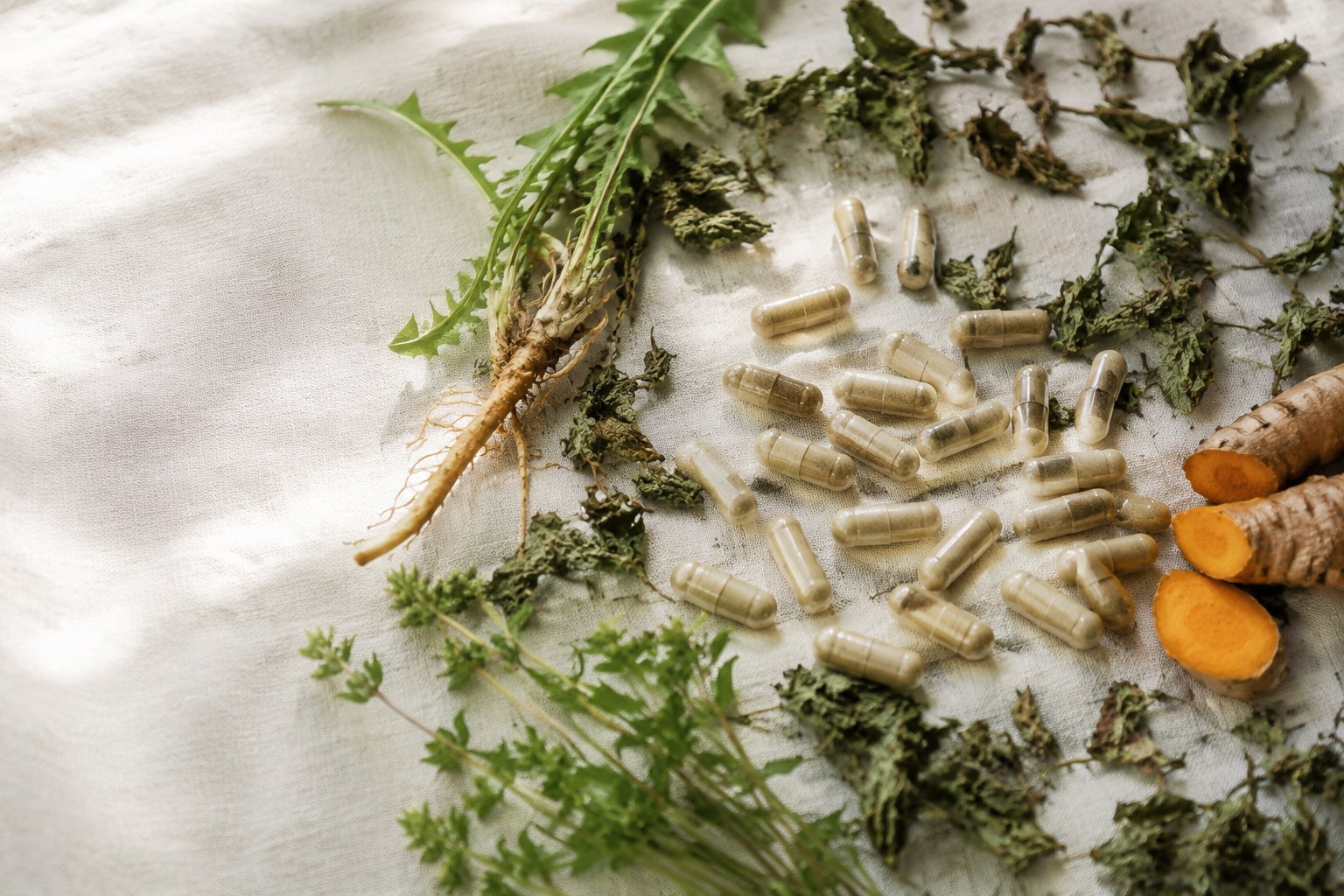
Dandelion root is one of the most common diuretic herbs found in lymphatic support supplements.
“Not all supplements are created equal. Some are thoughtfully formulated. Others are marketing wrapped around a pill bottle. This guide helps you tell the difference.”
Introduction
You can breathe deeply, drink water, eat clean, and move daily — and some people choose supplements as part of a broader wellness routine. Supplements are not a replacement for lifestyle, but they may provide additional support for those seeking it.
Not all lymphatic supplements are created equal. Some are thoughtfully formulated. Others are marketing wrapped around a pill bottle. This guide helps you tell the difference.
What to Look for in a Lymphatic Supplement: 5 Criteria
- 1. Multiple mechanisms. Different herbs support different aspects of lymphatic function. Choose a formula that includes herbs from multiple traditional categories.
- 2. Transparent dosing. If the label says “Proprietary Blend: 500mg” without listing individual amounts, you cannot evaluate the formula. Look for products that disclose each ingredient’s amount.
- 3. Standardized extracts where available. Turmeric is often standardized to 95% curcuminoids with piperine. Echinacea should specify the species.
- 4. Third-party testing. Look for GMP certification, NSF certification, or a clear statement that the product is independently tested.
- 5. Clean formulation. Avoid magnesium stearate, titanium dioxide, artificial colors, and unnecessary fillers.
The Ingredient Checklist
Here is what to look for in a well-formulated lymphatic support supplement:
| Ingredient | Role | Commonly Used Range | Red Flag |
|---|---|---|---|
| Cleavers | Traditionally used to support normal lymphatic function | 500-1000mg | Missing entirely or listed last |
| Dandelion Root | Traditionally used to support healthy fluid balance | 500-1000mg | Under 300mg per serving |
| Red Clover | Studied for compounds that may support a healthy inflammatory response | 500-1000mg | Not standardized for isoflavones |
| Burdock Root | Traditionally used to support normal digestive function | 500-1000mg | Missing from formula entirely |
| Echinacea | Traditionally used to support immune function | 200-400mg | Species not specified |
| Turmeric (95%) | Studied for anti-inflammatory properties | 300-500mg | No piperine for absorption |
| Ginger | Traditionally used to support circulation | 200-400mg | Very low dose |
| Nettle Leaf | Traditionally used to support healthy fluid balance | 300-500mg | Not present |
Red Flags: What to Watch For
- Proprietary blends without transparency. If a brand will not disclose individual amounts, there is no way to evaluate the formula.
- Single-herb formulas marketed as complete solutions. One herb alone may not provide broad support across different aspects of lymphatic function.
- Outrageous claims. “Flush 10 pounds of toxins in 7 days” is not supported by evidence.
- No GMP or third-party testing mention. Quality-conscious brands typically highlight their testing practices.
- Celebrity endorsements but no ingredient information. Marketing budget does not equal product quality.
- Amazon-only brands with no website. If you cannot find the company behind the product, accountability is limited.
Capsules vs. Tinctures vs. Teas
- Capsules: Most convenient. Look for vegetable capsules. Turmeric needs piperine — capsules are a practical format for this. Generally preferred for daily consistent use.
- Tinctures: Liquid extracts that may be preferred by some users. Look for alcohol-based rather than glycerin-based. Commonly used when a faster onset is desired.
- Teas: Suitable for mild, ongoing support. Dandelion and nettle work well as teas. Less practical for turmeric (curcumin is poorly water-soluble).
How to Build a Simple Daily Routine
- Morning: Take your supplement with a full glass of warm water. Hydration supports absorption.
- Midday: After lunch, a cup of dandelion or nettle tea as an additional option.
- Evening: Generally consider taking your last supplement at least 2 hours before bed.
- Consistency: Supplements are intended for regular use. Take them daily for at least 4-6 weeks before evaluating their effects. Individual results may vary.

Medical Disclaimer
The information provided in this article is for educational and informational purposes only. It is not intended as medical advice, diagnosis, or treatment. Dietary supplements are not intended to diagnose, treat, cure, or prevent any disease. Always consult a qualified healthcare professional regarding any medical condition or before starting any new supplement regimen. Pregnant or breastfeeding individuals should consult their healthcare provider before using herbal supplements.
Frequently Asked Questions
How long before I may notice effects from a lymphatic supplement?
Individual results vary. Some people may notice changes in fluid balance within days, while anti-inflammatory and immune-support effects may take 2-4 weeks or longer. Consistency of use matters more than intensity.
Can I take lymphatic supplements with my medications?
If you are on blood thinners (warfarin), diuretics, lithium, or immunosuppressants, consult your doctor before starting any herbal supplement. Dandelion, ginger, and turmeric all have documented potential interactions with certain medications.
Are lymphatic supplements safe for long-term use?
Most herbs used in lymphatic support formulas are safe for daily use when taken as directed. Echinacea is often cycled (3 weeks on, 1 week off). Follow the label instructions and consult your healthcare provider for long-term use beyond 6 months.
Do I need a supplement if I eat well and exercise?
Not necessarily. If you maintain a balanced diet, stay hydrated, and exercise regularly, lifestyle habits alone may be sufficient. Some people choose supplements for additional support when they feel their wellness routine could benefit from it.
References
- Bone, K., & Mills, S. (2013). Principles and Practice of Phytotherapy. Churchill Livingstone.
- Blumenthal, M., et al. (2000). The Complete German Commission E Monographs.
- Hoffman, D. (2003). Medical Herbalism. Healing Arts Press.
- Memorial Sloan Kettering Cancer Center. About Herbs, Botanicals & Other Products.
- FDA. Dietary Supplement Current Good Manufacturing Practices (CGMPs).
- NSF International. Dietary Supplement Certification.
- NIH Office of Dietary Supplements. Botanical and Herbal Supplements.
Read Labels
Look for transparent dosing
Check Testing
GMP + third-party certified
Stay Consistent
Daily for 4-6 weeks
One thing to remember
A supplement with transparent dosing, herbs from multiple traditional categories, and third-party testing is generally a better choice than one with a proprietary blend and no accountability.

About author