Signs Your Lymphatic System May Need Support: 10 Common Indicators
LYMPHATIC HEALTH · EDUCATIONAL GUIDE
Signs Your Lymphatic System May Need Support
Learn 10 common indicators that may suggest your lymphatic system could benefit from attention — from occasional morning puffiness to feeling run down.
BTERLIF · 10 min read
Your lymphatic system is the unsung infrastructure of your body. It helps drain excess fluid, transports immune cells, absorbs dietary fats, and supports normal metabolic waste transport. Unlike your circulatory system — which has the heart as its pump — your lymph system relies entirely on your movement, your breath, and your daily habits.
When those habits fall short — more sitting than usual, less water than your body needs — lymph flow may slow. Fluid can accumulate. And your body may begin to show signs.
Most people miss those signs. They attribute puffiness to salt, low energy to poor sleep, and frequent minor illnesses to bad luck. But when you know what to look for, your body tells a clear story. This guide covers 10 commonly reported indicators that may be associated with reduced lymphatic function, why they happen, and what may help.
“The lymphatic system does not have a central pump. It relies on movement, deep breathing, and hydration to circulate. A sedentary day is associated with reduced lymphatic activity.”
“Experiencing several of these indicators together may be worth discussing with a healthcare professional.”

HOW LYMPH FLOW WORKS
Your lymphatic system moves roughly 3 liters of fluid per day. When flow is reduced, three things may occur:
→
Byproducts may linger
→
Immune function affected
Think of it like a city’s drainage system during a storm. When drains are clear, water moves. When partially blocked, water moves more slowly — and the effects are gradual.
The 10 Common Indicators
Below are 10 commonly reported indicators that may be associated with reduced lymphatic function. Each includes a description and suggestions that may help.
1. Occasional Morning Puffiness
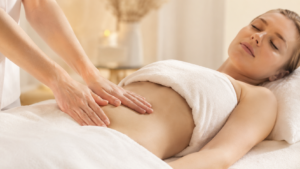
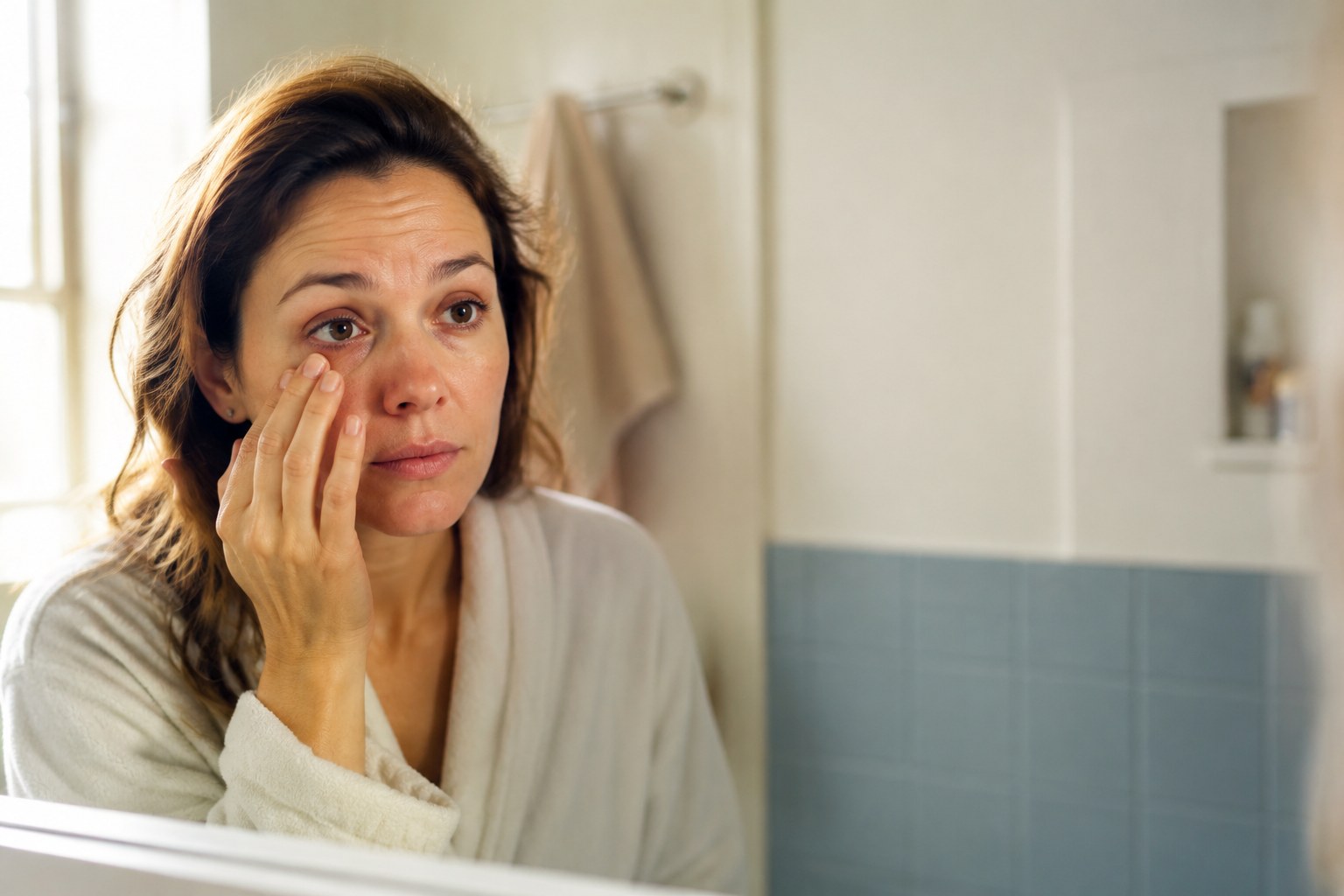
Puffy eyes, mild facial swelling, or tight rings on your fingers when you first wake up that take more than 30–60 minutes to subside. Gentle massage on the neck and collarbone within 5 minutes of waking, followed by a full glass of warm water, may help encourage lymph movement.
2. Frequent Minor Immune Challenges
Catching minor illnesses more often than usual, or taking longer to feel back to normal. A 2020 review in Mayo Clinic Proceedings found that impaired lymphatic function may reduce antigen presentation to T-cells. Consistent moderate exercise, adequate sleep, and staying hydrated may help support normal immune function.
3. Unexplained Low Energy
Waking up tired after a full night’s sleep, or energy drops mid-afternoon. Metabolic byproducts may accumulate when lymph is slow, contributing to low energy associated with low-grade inflammation. Gentle rebounding may promote lymph circulation.
4. Brain Fog and Difficulty Concentrating
Difficulty focusing or slower processing speed. The brain’s glymphatic system clears proteins during deep sleep, and when systemic lymph flow is sluggish, glymphatic clearance may be affected. Deep sleep and side-sleeping may support this process.
5. Sinus Congestion
Occasional stuffiness upon waking or after eating. Cervical lymph nodes help drain the sinuses; when this is less active, mucus may accumulate. Gentle massage from behind the ears down to the collarbone may help.
6. Swollen Lymph Nodes
Tender lumps under the jaw, in armpits, or groin that may stay enlarged after an infection clears. Gentle massage downstream toward the heart and warm compresses may help. Hard, fixed, painless nodes require medical evaluation.
7. Slower Tissue Recovery
Minor cuts healing more slowly than expected. The lymphatic system supports normal tissue maintenance. Adequate protein, vitamin C, and zinc support normal tissue repair.
8. Stubborn Weight Fluctuations
Weight fluctuating 2–5 pounds within a day. Daily fluctuations are often related to fluid balance, not fat. An anti-inflammatory eating pattern and reduced sodium intake may help support fluid balance.
9. Skin Concerns
Dry flaky skin or occasional breakouts along the jawline. Lymphatic capillaries in the skin help maintain tissue health. Dry brushing and contrast showers may support surface circulation.
10. Cold Hands and Feet
Hands and feet that are frequently cold. When lymph flow is affected, increased tissue pressure may influence small blood vessels. Walking and ginger tea may support circulation.

Lymphedema vs. Common Lymphatic Concerns
It is important to distinguish between occasional signs related to reduced lymphatic function and lymphedema — a recognized medical condition. According to the Mayo Clinic, lymphedema involves persistent swelling in an arm or leg, a feeling of heaviness, restricted range of motion, and recurring infections. It requires medical management, including specialized massage and compression therapy.
General lymphatic concerns — such as occasional puffiness or low energy — are not lymphedema. These are commonly reported experiences influenced by lifestyle factors and are generally manageable with daily habits.
“If your indicators are on both sides of the body, improve with movement and hydration, and worsen after long periods of sitting, lifestyle adjustments may be enough.”
A Gentle Daily Routine
If your observations suggest your lymphatic system may benefit from support, start with 2–3 of the approaches below and add more as you notice changes.
MORNING
Deep breathing (5 min) → Gentle neck massage (3 min) → Full glass warm water → Dry brushing → Contrast shower
MIDDAY
30-minute walk outdoors → Herbal tea after lunch → Hydrate consistently throughout the afternoon
EVENING
Gentle movement (5–10 min) → Deep breathing before sleep → Stop eating 2–3 hours before bed → Sleep on your side
Medical Disclaimer
The information provided in this article is for educational and informational purposes only. It is not intended as medical advice, diagnosis, or treatment. Always consult a qualified healthcare professional regarding any medical condition or before starting any new health regimen.
Frequently Asked Questions
Can dehydration affect lymphatic circulation?
Adequate hydration is important for healthy lymph fluid consistency. Lymph is composed primarily of water — approximately 95%. A 2024 review in Nature Reviews Nephrology highlighted hydration’s role in overall physiological function. Most adults benefit from at least 2 liters of water per day, though individual needs may vary.
Is sitting all day bad for lymphatic circulation?
Extended sitting may be associated with reduced lymphatic activity. The lymphatic system has no central pump and relies on muscle movement. Taking a 5-minute walk every hour may help maintain healthy circulation.
Can walking improve lymphatic circulation?
Walking is one of the most effective ways to support lymphatic function. The rhythmic contraction of calf and thigh muscles creates a natural pumping effect on lymphatic vessels. Even 30 minutes of moderate walking per day may make a meaningful difference.
Can sluggish circulation contribute to weight fluctuations?
Some individuals may experience temporary fluid retention when lymphatic circulation is reduced, which can show as 2–5+ pounds of water weight. This is not fat and may respond to movement and hydration.
Is lymph node swelling always a cause for concern?
No. Over 95% of swollen lymph nodes are caused by the immune system responding to minor challenges. Nodes that warrant attention are hard, fixed, painless, and growing. Any node enlarged for 2–3 weeks without explanation should be evaluated.
Conclusion
Your lymphatic system does not produce sharp pain or sudden crisis. It may show itself through quiet, persistent signs — morning puffiness that lingers a bit longer, minor illnesses that take more time to resolve, energy that is not quite where you expect it. These signs are easy to dismiss individually. But when several appear together and persist, they may form a pattern worth paying attention to.
The encouraging news is that the lymphatic system may respond relatively quickly to supportive lifestyle inputs. Lymph flow can improve within days of increased movement, hydration, and gentle self-care practices.
Self-Assessment
Track your indicators
Daily Routine
Start with 2–3 steps
Consult a Doctor
If red flags appear
One thing to remember
Your lymphatic system has no pump — your body’s movement is its pump. Movement, hydration, and breath are basic requirements for a healthy lymphatic system.

About author