Herbs Traditionally Used to Support Healthy Lymphatic Function
LYMPHATIC HEALTH · EDUCATIONAL GUIDE
Herbs Traditionally Used to Support Healthy Lymphatic Function
Explore 11 herbs traditionally used to support lymphatic health — with traditional uses, safety notes, a comparison table, and supplement buying guide.
BTERLIF · 10 min read
The lymphatic system moves fluid and immune cells throughout the body, but it has no pump of its own. Certain herbs have traditionally been used to support lymphatic function — some as gentle diuretics, others for their anti-inflammatory properties.
Not all herbs work the same way. Cleavers has traditionally been used to support normal lymphatic function. Dandelion is traditionally used to support healthy fluid balance. Red clover has been studied for compounds that may support a healthy inflammatory response. Combining herbs from different categories may provide broader support.
This guide covers 11 herbs with traditional uses, safety notes, a comparison table, and a buying guide.
“Herbs do not replace movement and hydration — but they may add targeted support alongside a healthy lifestyle. The most effective approach often combines herbs from different traditional categories.”
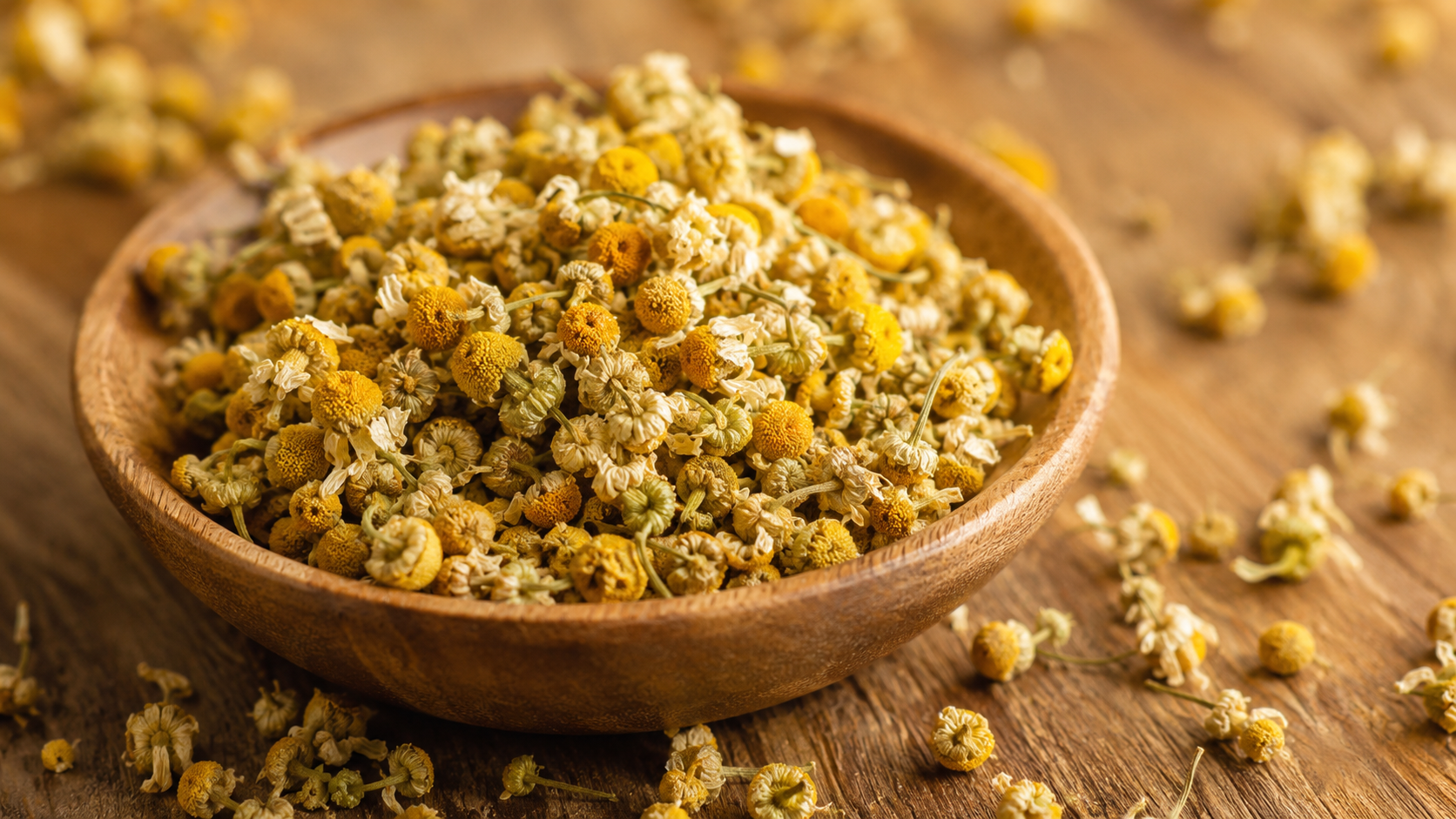
How Herbs Are Traditionally Used to Support Lymphatic Function
Lymph-support herbs are traditionally grouped into three categories based on their properties:
| Category | Traditional Understanding | Examples |
|---|---|---|
| Lymphagogue Support | Traditionally used to support normal vessel activity | Cleavers |
| Diuretic Support | Traditionally used to support healthy fluid balance | Dandelion, Nettle |
| Anti-Inflammatory Support | Studied for compounds that may support healthy inflammation response | Red Clover, Turmeric, Calendula |
Most effective formulas combine herbs from different categories.
11 Herbs Traditionally Used for Lymphatic Support
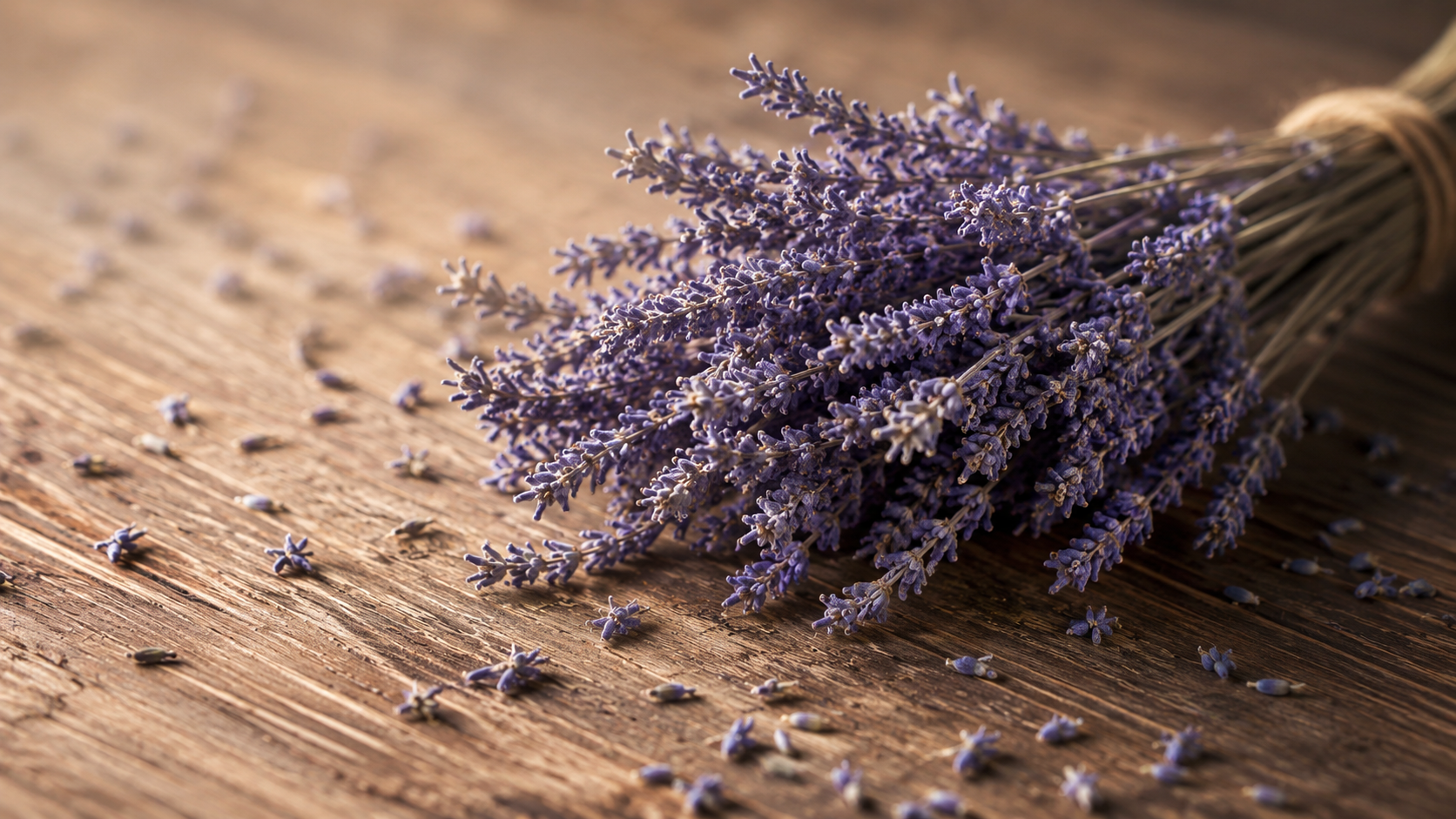
1. Cleavers (Galium aparine)
Traditional Use: Lymphagogue
Traditionally used to support normal lymphatic function. Fresh juice is preferred. Common use: 3-5ml tincture 3x daily (range varies per product). Use caution: Kidney disease, pregnancy.
2. Dandelion Root
Traditional Use: Diuretic + Liver
Traditionally used to support healthy fluid balance without depleting potassium. Common range: Tea or 500-1000mg/day (per product label). Use caution: Bile duct obstruction.
3. Burdock Root
Traditional Use: Digestive
Traditionally used to support digestive health. Common range: Decoction or 1-2g/day (per product label). Use caution: Daisy-family allergy.
4. Red Clover
Traditional Use: Anti-inflammatory
Contains isoflavones that have been studied for their role in supporting a healthy inflammatory response. Common range: Tea or 500-1000mg/day. Use caution: Hormone-sensitive conditions.
5. Echinacea
Traditional Use: Immune
Traditionally used to support immune function. Common range: 2-4ml tincture 3x/day. Cycle 3 weeks on, 1 week off. Use caution: Autoimmune conditions.
6. Nettle Leaf
Traditional Use: Diuretic + Nutritive
Traditionally used to support healthy fluid balance. Common range: Tea 2-3 cups/day. Use caution: Must be cooked or dried, not raw.
7. Calendula
Traditional Use: Anti-inflammatory
Traditionally used to support skin and lymphatic health. Common range: Tea or tincture 2-4ml 3x/day. Use caution: Daisy-family allergy.
8. Astragalus
Traditional Use: Immune builder
A cornerstone of traditional Chinese medicine. Common range: Decoction or 500-1000mg/day. Use caution: Acute fever, immunosuppressants.
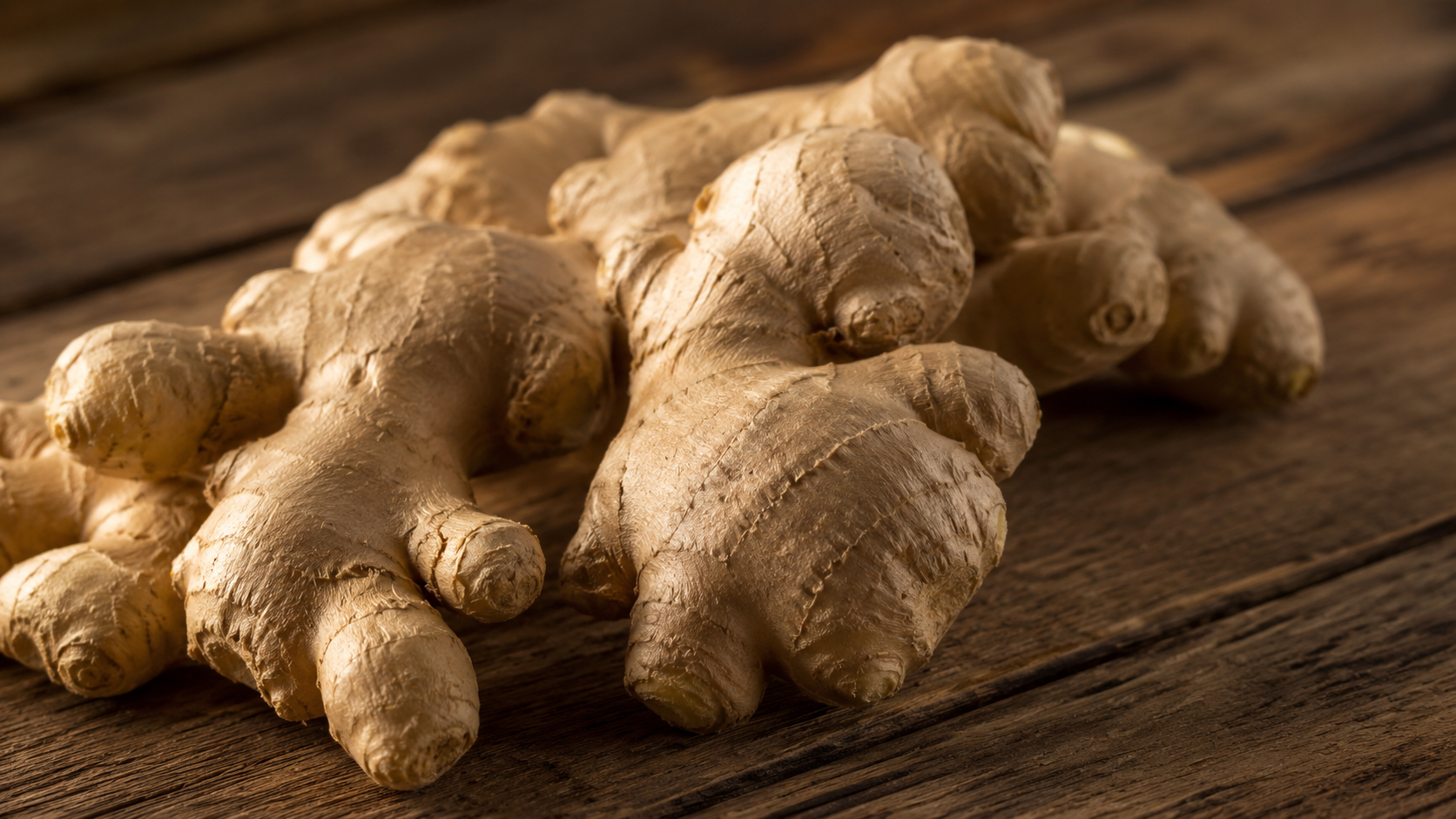
9. Ginger
Traditional Use: Circulatory
Traditionally used to support peripheral circulation. Common range: Fresh tea or 500-1000mg/day (per product label). Use caution: Blood thinners.
10. Turmeric
Traditional Use: Anti-inflammatory
Contains curcumin, which has been studied for its anti-inflammatory properties. Pair with black pepper for absorption. Common range: 500mg capsules 2x/day with piperine. Use caution: Blood thinners.
11. Yarrow
Traditional Use: Circulatory + Diuretic
Traditionally used to support circulation. Common range: Tea or tincture (per product label). Use caution: Pregnancy.
Herb Comparison Table
| Herb | Category | Best For |
|---|---|---|
| Cleavers | Lymphagogue | Swollen glands |
| Dandelion | Diuretic | Water retention |
| Burdock | Digestive | Skin health |
| Red Clover | Anti-inflammatory | Inflammatory response |
| Echinacea | Immune | Immune support |
| Nettle | Diuretic | Puffiness |
| Calendula | Anti-inflammatory | Skin health |
| Astragalus | Immune builder | Prevention |
| Ginger | Circulatory | Circulation |
| Turmeric | Anti-inflammatory | Inflammation |
| Yarrow | Circulatory | Circulation |
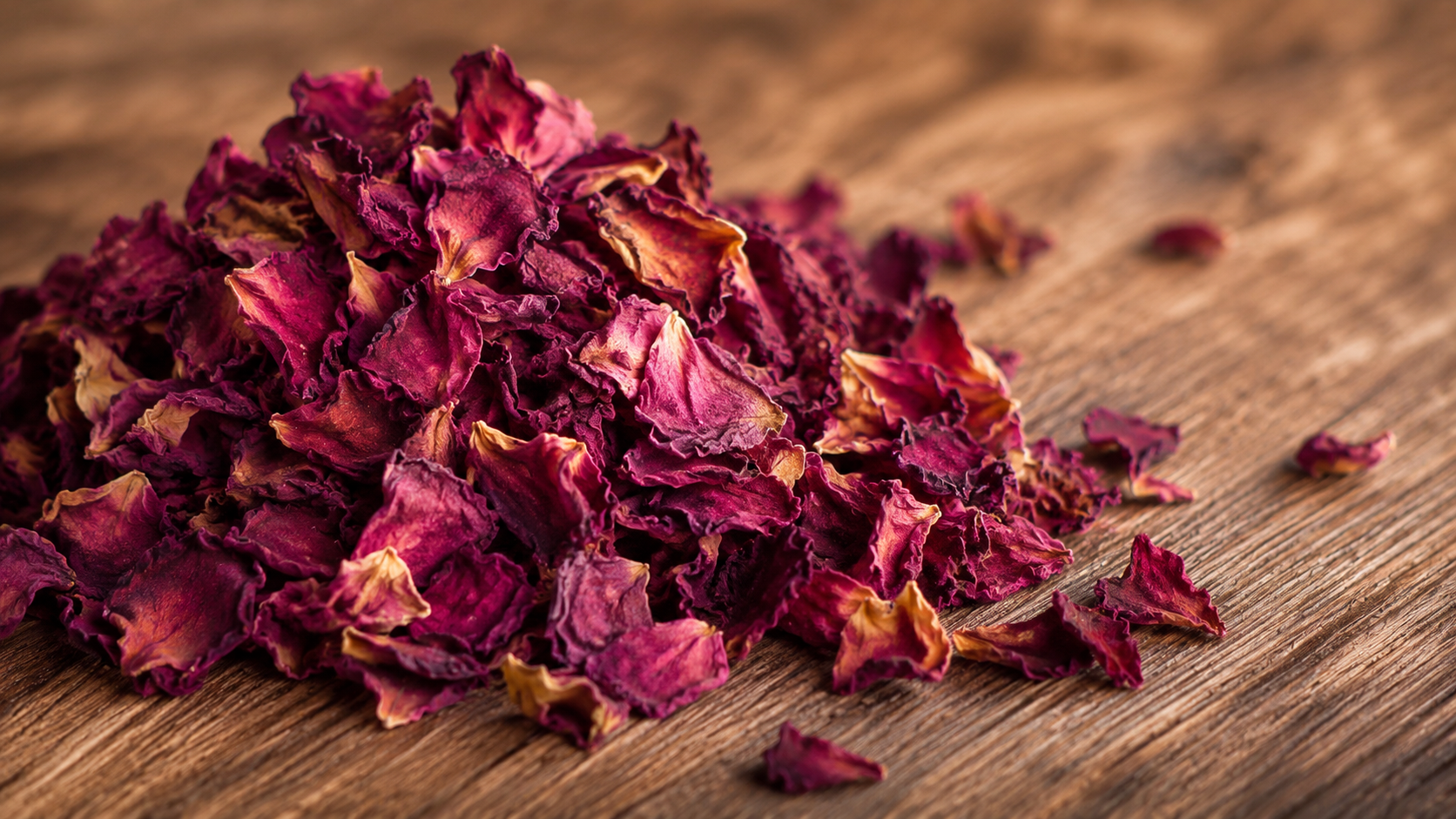
DIY Lymphatic Tea Blend (Educational Recipe)
Note: This recipe is provided as an educational example only and is not medical advice. Consult a healthcare professional before starting any herbal regimen.
Ingredients (~30 servings): 2 parts Dandelion Root, 2 parts Red Clover, 1 part Cleavers, 1 part Nettle Leaf, 1/2 part Ginger, 1/2 part Calendula. Mix in a jar. Use 1-2 tsp per cup, steep 10-15 minutes. Adjust according to individual tolerance and product label instructions.
How to Choose a Lymphatic Supplement
- Multiple mechanisms: Look for formulas that include herbs from different traditional categories.
- Standardized extracts: Turmeric is often standardized to 95% curcuminoids with piperine for absorption.
- Third-party tested: Look for GMP certification or independent testing.
- Clean formula: Avoid unnecessary fillers like magnesium stearate or artificial colors.
- Transparent labeling: Each herb should list its amount — avoid proprietary blends that hide individual doses.
“The best approach combines herbs that support different aspects of lymphatic wellness — fluid balance, vessel function, and a healthy inflammatory response. A single herb may be helpful, but a well-rounded formula may provide broader support.”
Medical Disclaimer
The information provided in this article is for educational and informational purposes only. It is not intended as medical advice, diagnosis, or treatment. Herbal supplements are not evaluated by the FDA and are not intended to diagnose, treat, cure, or prevent any disease. Always consult a qualified healthcare professional before starting any herbal regimen.
Frequently Asked Questions
How long does it typically take to notice effects from herbal supplements?
Individual responses vary significantly. Some people notice changes in fluid balance within days, while other effects may take several weeks of consistent use. Factors such as individual metabolism, product quality, and consistency of use all play a role.
Can I take all 11 herbs together?
It is not necessary. A formula containing 3-5 herbs that address different traditional categories — such as a lymphagogue, a diuretic, and an anti-inflammatory — is generally considered sufficient. Follow the dosage recommendations on each product label.
Are these herbs safe during pregnancy?
Most herbal supplements are not recommended during pregnancy or while breastfeeding. Lifestyle approaches such as gentle movement and hydration are generally safer. Always consult your healthcare provider before using any herbal products during pregnancy.
Can I take these herbs with prescription medications?
Some herbs may interact with medications, including blood thinners, diuretics, lithium, and immunosuppressants. Consult your doctor before combining herbal supplements with any prescription medication.
What format is best — tea, tincture, or capsules?
The best format depends on the herb and personal preference. Cleavers is traditionally used as a fresh juice or tincture. Dandelion works well as tea or capsules. Turmeric is most effective in capsule form with piperine for absorption. Choose a format you will use consistently.
References
- Bone, K., & Mills, S. (2013). Principles and Practice of Phytotherapy. Churchill Livingstone.
- Hoffman, D. (2003). Medical Herbalism. Healing Arts Press.
- Blumenthal, M. (2000). Complete German Commission E Monographs.
- EMA. (2018). Assessment Report on Taraxacum officinale.
- MSKCC. About Herbs, Botanicals & Other Products.
- Winston, D. (2007). Adaptogens.
- Chevallier, A. (2016). Encyclopedia of Herbal Medicine.
- NIH Office of Dietary Supplements. Botanical and Herbal Supplements.
Start with Tea
Dandelion or nettle
Try a Formula
Multi-herb supplement
Check Labels
GMP + transparent dosing
One thing to remember
The best herbal approach combines herbs that support different aspects of lymphatic wellness — fluid balance, vessel function, and a healthy inflammatory response. No single herb does it all.

About author